
Pleasure Is Health (And It’s Bigger Than Sex)
A few weeks ago, I came across a study suggesting that men who reported more orgasms tended to live longer. So I saved it in my phone notes to post about on Valentines Day, because it seemed like the nice thing to do!
We talk endlessly about burnout and stress, but often struggle to talk about pleasure without discomfort or irony. In some circles there can be an “I’m more stressed than you” social competition. Speaking from experience, I’ve definitely felt hesitation to openly celebrate joy around some people.
Why do some of us hold onto an identity so closely tied to suffering? And what is that doing to our bodies and our health?
Now onto the study! The research itself looked at middle-aged men and tracked their health outcomes over roughly a decade. It found an association between higher reported orgasm frequency and lower mortality risk. That’s the key word: association. Not proof. Not a prescription. Not a guarantee of longevity.
It was an observational study, which means it noticed patterns rather than establishing cause and effect. In other words, it didn’t prove that orgasms make people live longer. It simply found that the men who reported more sexual activity also tended to have better long-term health outcomes. That difference matters, because observational studies are great at raising questions, but not at giving definitive answers.
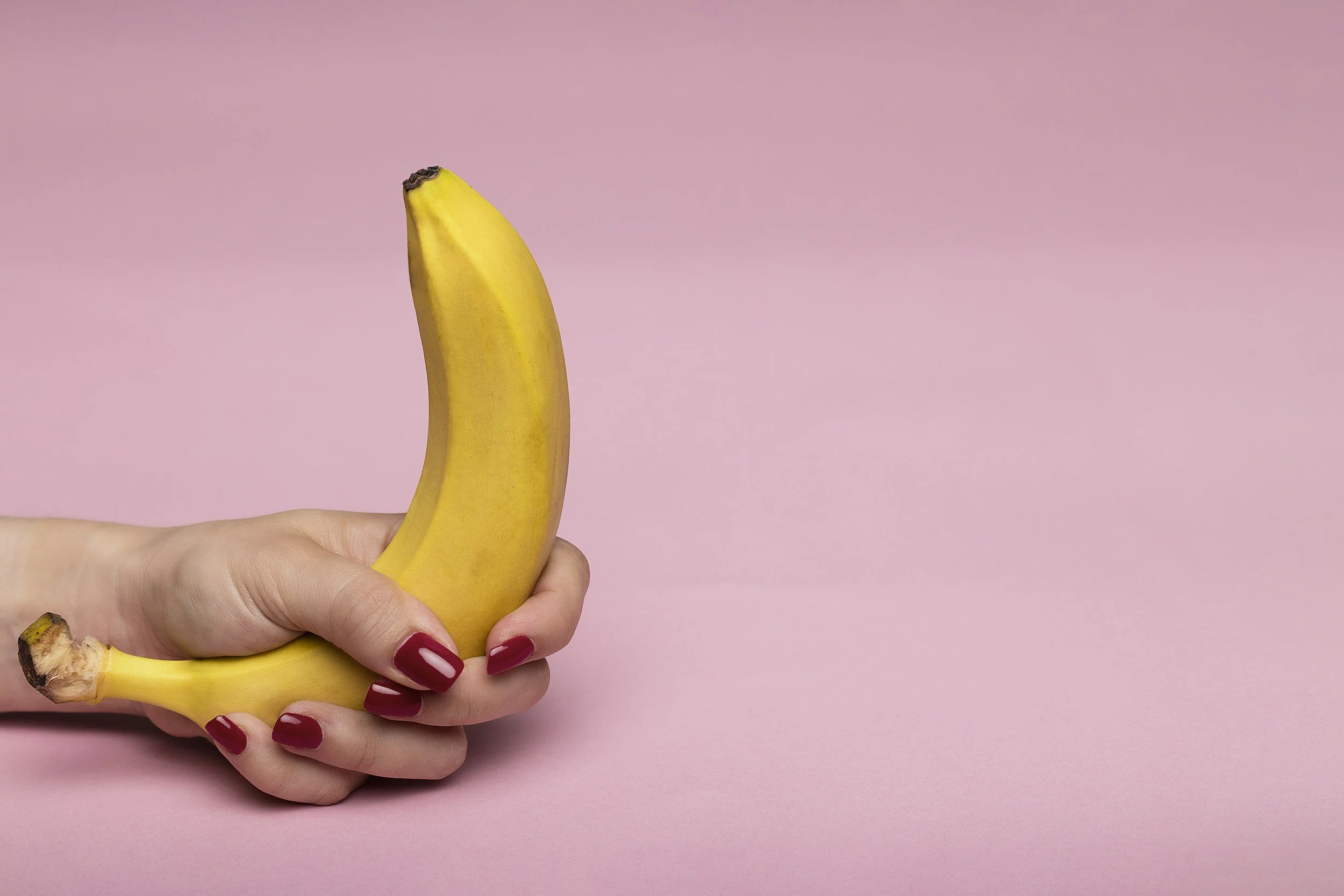
Here’s where things become more telling. The study only looked at men. Not women, not non-binary people, not trans bodies, not queer relationships, not disabled bodies. Just middle-aged cisgender men. This isn’t unusual in medical research history, but it is revealing.
Science often reflects the priorities of the culture funding it. Historically, male sexuality has been studied extensively, while female pleasure, queer pleasure, and gender-diverse experiences have been sidelined or ignored. The result is that we end up with data that represents a narrow slice of humanity and then try to apply it broadly. It doesn’t mean the findings are useless — it just means they’re incomplete.
If pleasure is genuinely linked to health, then it deserves to be studied inclusively. Everyone’s bodies and experiences matter, not just the ones that were historically deemed most “important.”
It’s tempting to read a headline like “more orgasms = longer life” and jump to conclusions. But human health is complex. The men in the study who reported more sexual activity may also have had stronger social connections, higher life satisfaction, better cardiovascular fitness, or lower stress levels. Sexual frequency might have been a marker of wellbeing rather than the driving force behind it.
So no — this is not medical advice to cancel your gym membership and schedule daily “research sessions.”
Longevity doesn’t hinge on a single behaviour. But what the study does open the door to is a bigger conversation about pleasure, stress, and the nervous system.
When we hear the word “pleasure,” many people immediately think only of sexual activity. But pleasure is much broader than that. It includes laughter, music, touch, creative expression, time in nature, movement you enjoy, feeling safe in your body, and meaningful connection with others. It’s a nervous system state as much as it is an experience.
Pleasure signals to the body that it is safe enough to relax. That matters because chronic stress does the opposite. Long-term elevated stress is associated with higher cortisol levels, increased inflammation, slower recovery from exercise, disrupted sleep, and greater risk of cardiovascular disease. Over time, chronic psychological stress has been linked in multiple long-term studies to earlier mortality and poorer mental health outcomes.
On the flip side, positive emotional states and enjoyable activities are associated with lower stress hormones, improved mood regulation, and better resilience. Laughter activates the parasympathetic nervous system. Physical touch can reduce anxiety markers. Enjoyable movement improves both mental and physical health adherence. Even simply feeling socially connected has measurable benefits for longevity and immune function.
In other words, pleasure isn’t indulgence. It’s regulation.
There is growing evidence that psychological wellbeing isn’t separate from physical health — it’s intertwined with it. Chronic stress can contribute to high blood pressure, weakened immune responses, digestive issues, and slower muscle growth or repair. It also affects motivation, energy levels, and consistency with habits like exercise or sleep.
Activities that create genuine enjoyment or relaxation can help interrupt that stress cycle. They lower sympathetic nervous system dominance (the “fight or flight” state) and allow the parasympathetic nervous system (the “rest and digest” state) to do its job. This shift supports recovery, emotional regulation, and cognitive function. It’s not about chasing constant happiness; it’s about allowing the body regular access to safety and relief.
When people talk about longevity, they often focus on nutrition, exercise, and genetics. All of those matter. But nervous system health — how often we feel safe, calm, or connected — quietly influences all of them.

It’s also important to say clearly: pleasure does not equal sex, and sex is not required for wellbeing. Some people are asexual. Some people are uninterested in sexual activity. Some people are healing from trauma, navigating disability, or simply prioritising other forms of connection. None of those experiences mean someone is “missing out” on health or longevity.
There are countless ways to experience pleasure and nervous system regulation that have nothing to do with sexual activity. What matters is access to joy, safety, autonomy, and choice — not conforming to a particular behaviour.
Working with clients over the years, one pattern shows up again and again: people who are highly stressed often experience slower progress in strength, recovery, and skill acquisition compared to those who manage stress more effectively. It’s not about willpower. It’s physiology.
Clients who come into movement with curiosity, enjoyment, and a sense of safety tend to learn faster and stick with routines longer. When someone feels safe in their body, their nervous system is more receptive to adaptation and growth. Consistency becomes easier because the experience is rewarding rather than draining.
I see this in myself too. I’ve trained consistently for around a decade. By pure training volume alone, I could likely be much more muscular than I am. But chronic stress from life circumstances and an internal difficulty accessing a sense of safety have influenced how my body responds. Stress doesn’t just live in the mind, it shows up in muscle development, recovery speed, and overall energy.
Bodies don’t just respond to reps. They respond to safety.
So while orgasms are not a replacement for strength training, sleep, nutrition, therapy, or supportive relationships — they’re also not irrelevant. Pleasure, in all its forms, is one of many inputs into a healthier nervous system. It’s not the entire equation, but it’s not a trivial footnote either.
If a single study about male orgasm frequency can spark this much discussion, imagine what more inclusive research could uncover. There is enormous value in studying pleasure, mental health, and stress across diverse bodies and identities. Funding broader, more representative science deepens our understanding of it.
Curiosity is powerful. Instead of dismissing topics like pleasure as frivolous, we can ask better questions, seek nuance, and support research that reflects the full spectrum of human experience.
Many cultures are comfortable glorifying exhaustion. Being busy is often treated like a badge of honour. People openly compete over who slept the least, worked the most, or feels the most burnt out. Yet talking about joy, pleasure, or feeling genuinely good can feel vulnerable or even shameful.
Pleasure is sometimes framed as laziness or indulgence rather than a biological and psychological need. But if chronic stress shortens lives and erodes wellbeing, then actively cultivating moments of joy, connection, and safety is protective.
Health (& happiness) is not only the absence of illness. It’s also the presence of regulation, safety, connection, and the freedom to feel good in your own body. Pleasure, in its many forms, is part of that picture — not something to apologise for, hide, or minimise, but something to understand and integrate thoughtfully.
Happy Valentines Day! I’m off to have dinner with a couple of my chosen family members <3
Coach Dibs
